
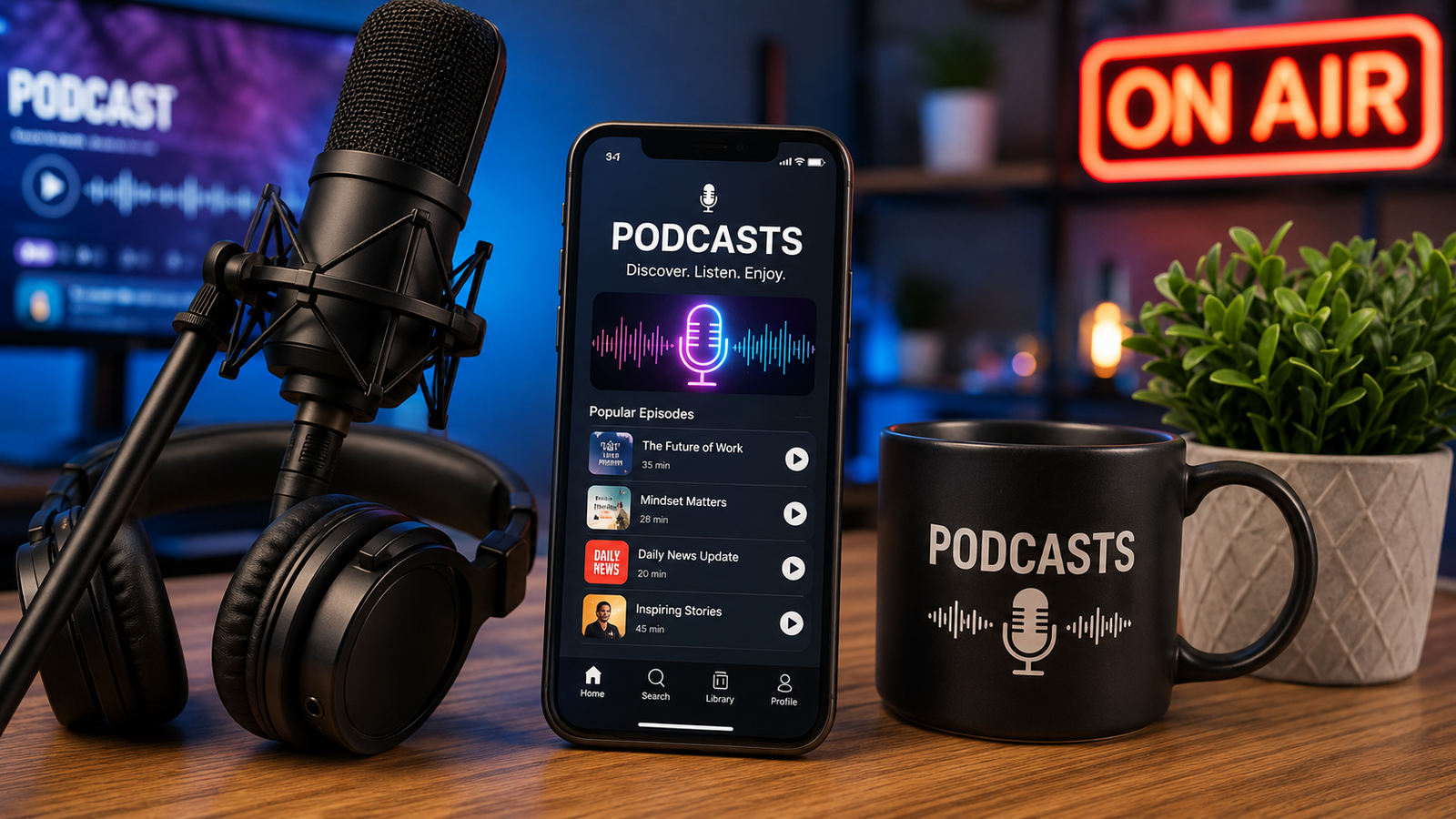
Podcasts have become one of the easiest ways to learn, stay informed, relax, and explore new interests. Whether you enjoy true stories, technology, business, comedy, sports, personal development, or entertainment, there is an audio show for almost every interest. Unlike traditional radio, modern podcasts give listeners more control over what they hear and when they hear it.
The popularity of on-demand audio has grown because people can listen while commuting, exercising, cooking, working, or simply relaxing at home. With thousands of shows and millions of episodes available across different platforms, getting started is easier than ever.
This guide explains what podcasts are, how they work, where to find them, what types are available, and how to choose shows that are actually worth your time.
What Are Podcasts?
A podcast is a series of digital audio episodes that listeners can stream or download over the internet. Episodes are usually released according to a schedule, although some creators publish whenever a new episode is ready.
The subject matter can vary dramatically. One show might feature interviews with entrepreneurs, while another could tell fictional stories or discuss the latest developments in science.
Unlike scheduled radio programs, podcasts are designed around on-demand listening. You choose the show, episode, and time that works for you.
Many podcasts are also available as video programs. However, the traditional podcast experience is primarily focused on audio, making it convenient for people who want to consume content without staring at a screen.
How Do Podcasts Work?
The basic technology behind a podcast is relatively simple.
A creator records an episode, edits the audio, and publishes it through a podcast hosting service. The episode is then distributed through an RSS feed, allowing podcast apps and directories to discover new content.
When a listener follows a show, the app can automatically display newly released episodes. Depending on the platform and settings, episodes can also be downloaded for offline listening.
The process generally looks like this:
- A creator records an episode.
- The recording is edited and prepared for publication.
- The episode is uploaded to a hosting platform.
- An RSS feed distributes information about the episode.
- Podcast directories and apps display the new content.
- Listeners stream or download the episode.
This system allows independent creators, companies, journalists, educators, and entertainers to reach audiences around the world.
Why Are Podcasts So Popular?
The biggest advantage is convenience.
You do not need to sit in front of a computer or television to enjoy an episode. You can simply press play and continue with another activity.
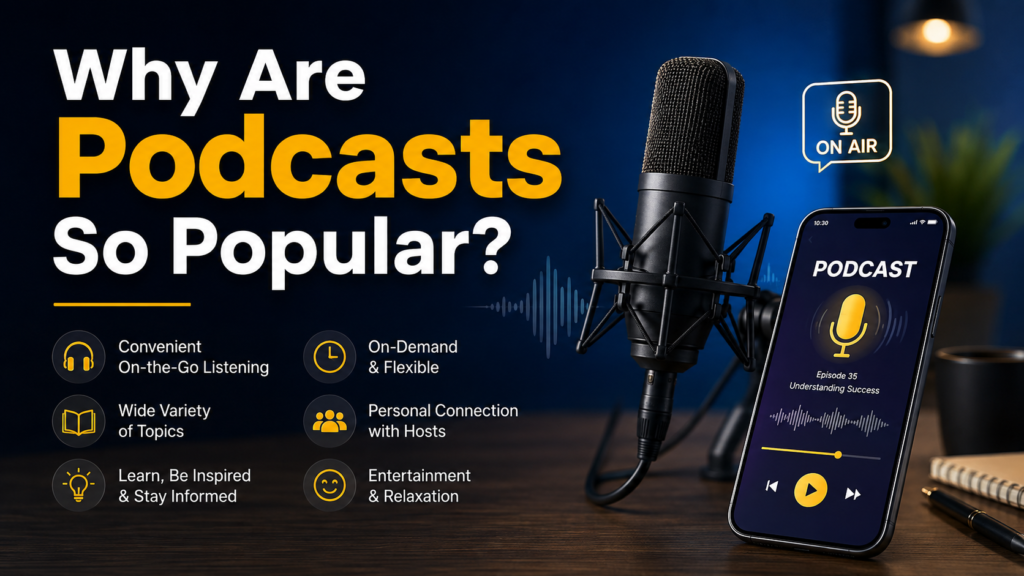
Here are some of the main reasons people enjoy podcasts:
- Convenient listening: Episodes can fit into busy daily routines.
- Wide variety: There are shows covering almost every imaginable subject.
- On-demand access: Listeners decide when and where to listen.
- Educational value: Many shows provide practical knowledge and expert discussions.
- Entertainment: Comedy, storytelling, interviews, and fictional series offer hours of entertainment.
- Personal connection: Regular hosts can create a familiar and engaging listening experience.
- Accessibility: Audio content can be easier to consume than long articles or videos in certain situations.
Another important factor is the depth that long-form audio can provide. A short social media post may introduce an idea, but a one-hour conversation can explore the subject in considerably more detail.
Popular Types of Podcasts
There is no single format that defines the medium. Different creators use different styles depending on their audience and subject.
Interview Shows
Interview-based programs invite guests to discuss their careers, experiences, knowledge, or opinions.
These shows can be particularly useful when the host asks thoughtful questions and allows guests to explain complicated topics in an accessible way.
News and Current Affairs
News-focused programs discuss recent events, trends, politics, business developments, technology, and other subjects.
They can be useful for people who want more context than a short headline provides. However, listeners should consider the reputation and editorial standards of the source.
Educational Podcasts
Educational shows cover subjects such as history, science, languages, finance, psychology, technology, and personal development.
They are especially convenient for people who enjoy learning outside traditional classrooms.
Comedy Podcasts
Comedy programs are designed primarily for entertainment. They may include conversations between comedians, humorous stories, audience interactions, or commentary on everyday life.
True Crime and Investigative Shows
These programs examine real criminal cases, investigations, mysteries, and historical incidents.
Because the subject matter can involve real victims and sensitive events, responsible production and respectful storytelling are important.
Business and Technology
Business and technology shows often discuss startups, digital products, artificial intelligence, cybersecurity, entrepreneurship, marketing, and industry trends.
They can be useful for professionals and anyone interested in how technology is changing everyday life.
Storytelling and Fiction
Some podcasts use scripted storytelling, sound effects, voice acting, and music to create fictional worlds.
This format can feel similar to an audio drama and is ideal for listeners who enjoy stories without needing a screen.
Podcasts vs. Traditional Radio
Although both formats involve audio, they offer different listening experiences.
| Feature | Podcasts | Traditional Radio |
|---|---|---|
| Listening time | On demand | Usually scheduled |
| Content selection | Extremely broad | Depends on station |
| Episode control | Pause, skip, replay | Limited |
| Availability | Global in many cases | Often location-based |
| Downloading | Commonly available | Usually unavailable |
| Niche topics | Very common | Less common |
| Production styles | Highly varied | Often station-based |
The key difference is control. Podcasts allow listeners to build their own audio experience instead of depending entirely on a station’s schedule.
How to Find Podcasts You Will Actually Enjoy
With so much content available, finding a great show can sometimes be harder than finding any show.
Start with topics you already enjoy. Search for specific subjects instead of using broad terms.
For example, someone interested in photography could search for photography interviews, camera reviews, photography business advice, or photo storytelling.
Recommendations from friends can also be helpful. If someone has similar interests, their suggestions may introduce you to shows you would not discover through generic rankings.
You can also sample several episodes before committing to a series.
Pay attention to:
- Audio quality
- Host personality
- Episode length
- Publishing frequency
- Guest quality
- Depth of discussion
- Whether the information is current
- Whether the format keeps you interested
Do not assume that a highly popular show will automatically be the right fit for you.
How to Start Your Own Podcast
Creating a podcast is more accessible than it was in the past. You do not necessarily need an expensive studio to produce a useful show.
A basic setup can include:
- A reliable microphone
- Headphones
- Recording software
- Audio editing software
- A quiet recording environment
- A podcast hosting service
Before recording your first episode, decide what your show is about and who you want to reach.
A clear topic makes it easier to develop episode ideas and attract the right audience.
It is also helpful to create a simple publishing plan. You might release an episode every week, every two weeks, or once a month. Consistency matters more than choosing an unrealistic schedule.
Tips for Creating Better Podcast Episodes
Good equipment can improve sound quality, but equipment alone does not make a great show.
Content remains the most important element.
Consider these practical tips:
- Prepare an outline before recording.
- Keep introductions relatively short.
- Avoid unnecessary repetition.
- Ask guests specific and interesting questions.
- Remove distracting background noise when possible.
- Edit long pauses and obvious mistakes.
- Make episode titles descriptive.
- Use clear descriptions for search visibility.
- Maintain a consistent publishing schedule.
- Encourage listeners to provide feedback.
Most importantly, give listeners a reason to return. A useful lesson, entertaining conversation, compelling story, or fresh perspective can become the foundation of a successful series.
How Podcasts Can Support Learning
Audio programs can become a useful part of a personal learning routine.
For example, a person learning about digital marketing might listen to expert interviews while commuting. Someone studying history could use historical storytelling programs to supplement books and classes.
However, listening should not always replace deeper study.
For complicated subjects, it is often better to combine audio with books, articles, courses, official documentation, or other reliable sources.
Taking notes can also make educational listening more effective. Write down interesting ideas, unfamiliar terms, useful resources, or questions that you want to investigate later.
Are Podcasts Free?
Many podcasts can be listened to without paying a subscription fee. Creators may generate revenue through advertising, sponsorships, memberships, donations, merchandise, or other business models.
Some programs also offer premium episodes or subscriber-only content.
The exact availability depends on the creator and platform.
Before paying for premium content, listen to several free episodes if they are available. This gives you an opportunity to determine whether the show’s quality and format are worth the cost.
Common Mistakes New Listeners Make
New listeners sometimes make the process more complicated than necessary.
One common mistake is subscribing to dozens of shows immediately. A large subscription list can become overwhelming when new episodes appear every day.
Instead, start with a small collection of programs that genuinely interest you.
Another mistake is judging an entire series based on its first few minutes. Some shows take time to establish their format and improve as the creators gain experience.
It is also important to check the date of an episode when listening to news, technology, finance, or other rapidly changing subjects. Older information may no longer be accurate.
The Future of Podcasts
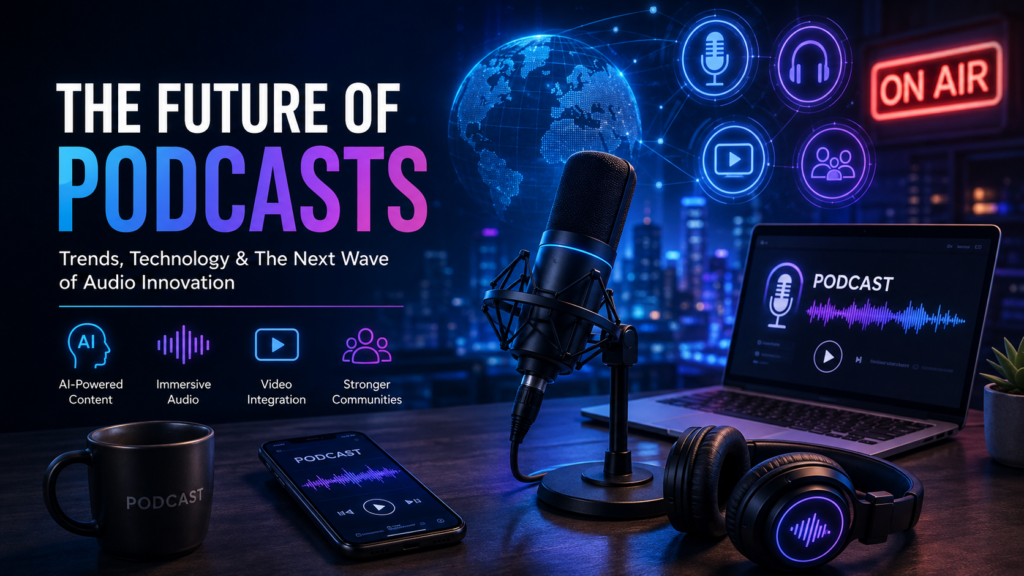
The podcast industry continues to evolve as creators experiment with new formats, technology, and distribution methods.
Video versions of audio shows have become increasingly common, while improvements in recording and editing tools make professional production more accessible.
Artificial intelligence and automated tools may also influence areas such as transcription, translation, editing, accessibility, and content discovery.
At the same time, the basic appeal is unlikely to disappear: people enjoy listening to interesting conversations and stories while doing other things.
The future will probably include more personalized recommendations, improved accessibility, interactive experiences, and increasingly diverse forms of audio storytelling.
Frequently Asked Questions
Are podcasts free to listen to?
Many podcasts are free to stream or download. Some creators offer additional premium episodes, exclusive content, or subscription-based features for listeners who want more.
Can I listen to podcasts without internet access?
Yes. Many podcast applications allow users to download episodes in advance. Once downloaded, an episode can generally be played without an active internet connection.
How long is a typical podcast episode?
There is no standard length. Some episodes are only a few minutes, while others can last several hours. The ideal length depends on the subject, format, host, and audience.
Can podcasts help me learn new skills?
Absolutely. Educational programs can introduce listeners to languages, business, technology, history, science, productivity, and many other subjects. For complex topics, it is best to combine podcast listening with more detailed learning resources.
Do I need special equipment to start a podcast?
No. Beginners can start with a basic microphone, headphones, recording software, and a quiet place to record. As the show develops, creators can gradually invest in better equipment.
How do I choose a good podcast?
Start with a subject you genuinely enjoy and listen to a few episodes from different shows. Compare the hosts, production quality, episode structure, publishing schedule, and usefulness of the content before deciding which programs deserve a regular place in your listening routine.
Final Thoughts
Podcasts have transformed the way people consume information and entertainment. Instead of following a fixed broadcast schedule, listeners can choose subjects, hosts, episodes, and listening times that fit their lifestyles.
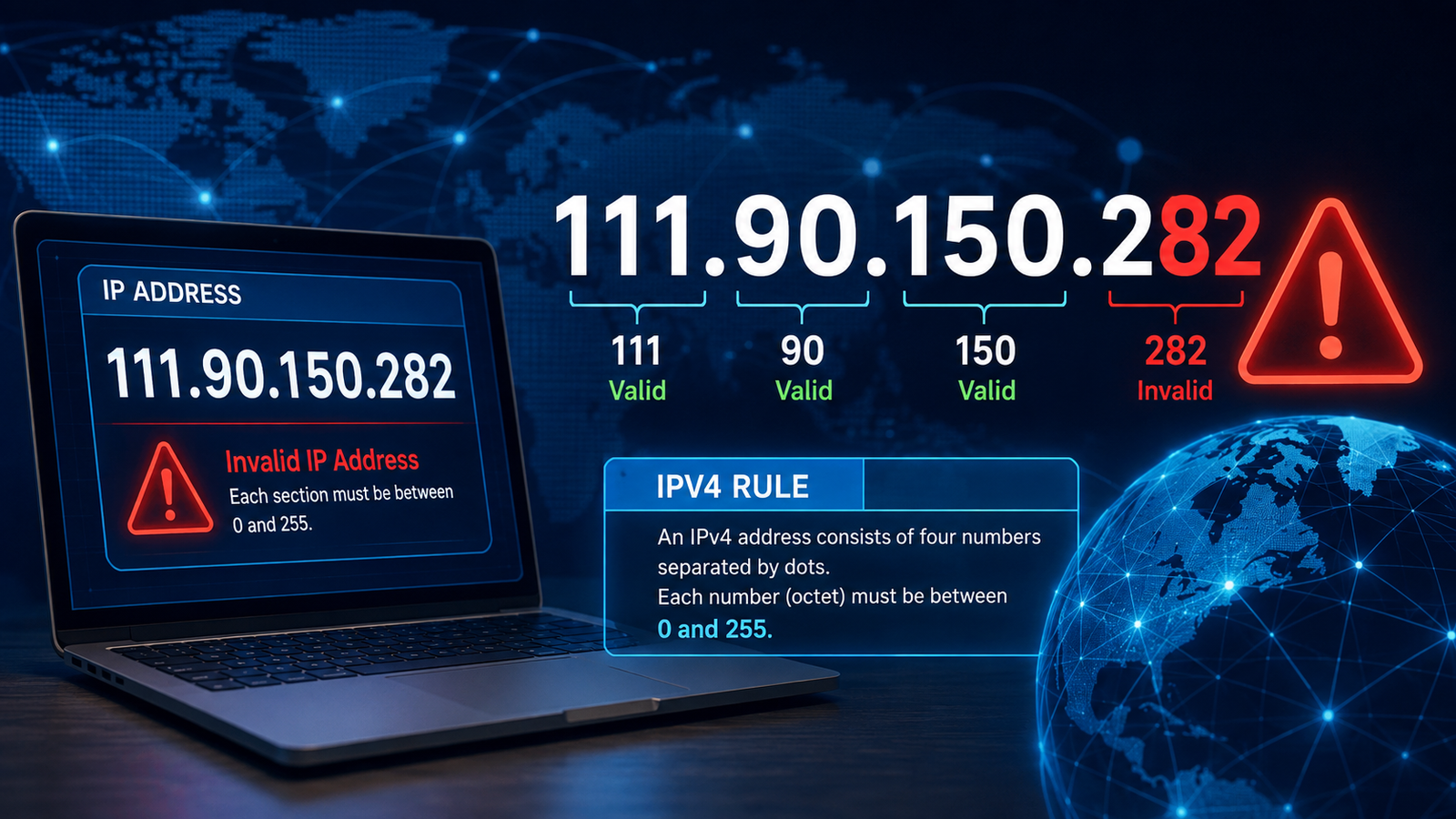
Also Read: 111.90.150.282: What This IP Address Means and Why It May Be Invalid




Leave a Reply