
Introduction
Padlet Ice is an innovative collaboration tool designed to make brainstorming, learning, and teamwork more engaging than ever. As digital collaboration continues to evolve, educators, businesses, students, and remote teams are searching for platforms that encourage participation while keeping ideas organized. Padlet Ice answers that need by offering a fresh approach to collaborative activities that combines simplicity with interactive features.
Whether you’re organizing classroom discussions, hosting virtual workshops, planning projects, or facilitating team meetings, Padlet Ice provides an intuitive environment where everyone can contribute in real time. Unlike traditional collaboration tools that often feel static, Padlet Ice promotes dynamic participation and creative thinking.
In this comprehensive guide, you’ll learn everything you need to know about Padlet Ice, including its features, benefits, practical applications, best practices, and why it has become a valuable solution for modern collaboration.
What Is Padlet Ice?
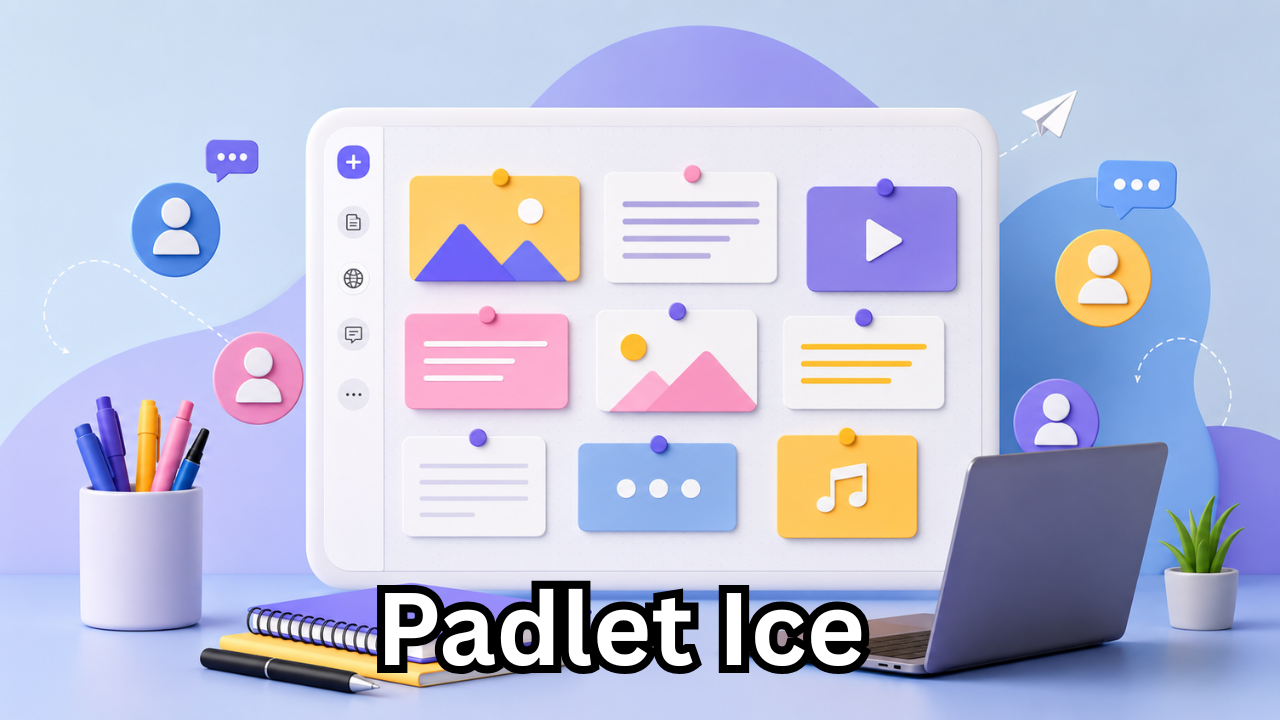
Padlet Ice is a collaborative digital workspace that enables multiple participants to share ideas, answer prompts, and contribute content simultaneously. It creates an interactive experience where users can add responses, organize information, and engage with others in a visually appealing format.
Instead of relying on lengthy email threads or disconnected chat conversations, Padlet Ice centralizes collaboration in one place. Everyone can participate regardless of their technical background, making it suitable for classrooms, corporate training sessions, workshops, and online communities.
Its user-friendly interface minimizes the learning curve, allowing participants to focus on generating ideas rather than learning complicated software.
Why Padlet Ice Is Becoming Popular
The increasing demand for remote learning and hybrid work environments has accelerated the need for digital collaboration tools. Padlet Ice has gained popularity because it emphasizes participation rather than passive observation.
People appreciate platforms that encourage every voice to be heard. Whether a group consists of five participants or hundreds, Padlet Ice creates an organized space where ideas remain visible, accessible, and easy to build upon.
Its popularity also comes from its flexibility. It supports educational activities, business meetings, creative brainstorming sessions, event planning, research collaboration, and much more.

Key Features of Padlet Ice
Padlet Ice offers a wide range of features that improve collaboration while maintaining simplicity.
One of its strongest advantages is real-time collaboration. Participants can submit ideas instantly, allowing discussions to evolve naturally without delays.
Another valuable feature is its visual organization. Instead of displaying information in endless text threads, Padlet Ice presents content in structured layouts that make reviewing contributions easier.
This often leads to more diverse perspectives and higher-quality conversations.
Users can also include various content types such as text, images, videos, documents, links, and multimedia resources, making collaboration richer and more engaging.
Benefits of Using Padlet Ice
One of the biggest strengths of Padlet Ice is its ability to improve communication.
Rather than having a few people dominate conversations, everyone has an equal opportunity to share their ideas. This creates more balanced discussions and encourages participation from quieter individuals.
Another major benefit is improved organization. Ideas remain grouped in one location, reducing confusion and eliminating the need to search through multiple communication channels.
Padlet Ice also saves time. Teams can collect feedback, brainstorm concepts, and organize information within minutes instead of scheduling lengthy meetings.
Additionally, the platform promotes creativity. Since contributors can build upon each other’s ideas visually, innovative solutions often emerge naturally.
How Teachers Can Use Padlet Ice
Education has embraced digital collaboration tools, and Padlet Ice fits perfectly into modern classrooms.
Teachers can use it for brainstorming activities before beginning new lessons. Students contribute prior knowledge, questions, and expectations, helping instructors tailor their teaching.
It also works well for collaborative writing exercises where groups develop stories, essays, or research outlines together.
Class discussions become more inclusive because students who hesitate to speak aloud can comfortably share their thoughts digitally.
Teachers may also use Padlet Ice for exit tickets, quizzes, reflection exercises, peer feedback, project planning, and collaborative problem-solving activities.
This flexibility makes it valuable across elementary schools, high schools, colleges, universities, and online learning environments.
How Businesses Benefit from Padlet Ice
Modern organizations rely heavily on collaboration, especially with distributed teams working remotely.
Padlet Ice supports productive meetings by allowing employees to submit ideas simultaneously instead of waiting for turns during discussions.
Project managers can organize workflows, collect feedback, prioritize tasks, and monitor progress in a shared environment.
Marketing teams often use collaborative boards to brainstorm campaign ideas, product launches, and content strategies.
Human resource departments can facilitate onboarding sessions, training programs, and employee engagement activities using interactive collaboration spaces.
Executive teams may also utilize Padlet Ice for strategic planning sessions, ensuring every participant contributes valuable insights.
Padlet Ice for Students
Students benefit from collaborative learning experiences that encourage active participation rather than passive note-taking.
Study groups can organize research materials, summarize lessons, exchange resources, and prepare presentations together.
Group assignments become easier because everyone contributes to the same workspace, reducing confusion and improving coordination.
Students also develop important workplace skills such as communication, teamwork, digital collaboration, and creative problem-solving.
These skills remain valuable throughout higher education and future careers.
Creative Uses of Padlet Ice
Beyond education and business, Padlet Ice supports numerous creative applications.
Writers can organize story ideas and character development.
Design teams can collect inspiration for branding projects.
Event planners can coordinate schedules, vendors, guest lists, and creative concepts.
Nonprofit organizations can gather volunteer suggestions and campaign ideas.
Community groups can organize discussions, neighborhood projects, and local initiatives.
Content creators may use Padlet Ice for editorial planning, audience feedback, and video production brainstorming.
Its adaptability makes it useful for nearly every collaborative scenario.
Best Practices for Using Padlet Ice
Successful collaboration depends not only on technology but also on effective planning.
Start each activity with clear objectives so participants understand the expected outcomes.
Provide simple instructions before beginning collaborative sessions.
Encourage everyone to contribute independently before reviewing responses together. This approach often generates more original ideas.
Organize contributions using categories or themes to improve readability.
Review submissions collectively and identify common patterns or actionable insights.
Finally, save completed boards for future reference and continuous improvement.
Common Challenges and How to Solve Them
Although Padlet Ice is designed to be user-friendly, some challenges may arise.
Participants unfamiliar with collaborative tools may require a brief introduction before using the platform.
Large groups can generate significant amounts of content, making organization important. Dividing discussions into separate topics helps maintain clarity.
Internet connectivity may affect real-time collaboration, so participants should use stable connections whenever possible.
Establishing participation guidelines also prevents duplicate responses and keeps discussions productive.
Why Interactive Collaboration Matters
Traditional meetings often involve one person speaking while others listen.
Interactive collaboration transforms this model by allowing simultaneous participation.
Research consistently shows that active engagement improves knowledge retention, creativity, and decision-making.
When individuals feel their ideas matter, motivation and confidence increase significantly.
Padlet Ice supports this modern approach by giving every participant an accessible platform to contribute meaningful insights.
Tips for Maximizing Productivity
Before launching a collaborative session, define measurable goals.
Use prompts that encourage detailed responses rather than simple yes-or-no answers.
Allocate sufficient time for independent thinking before opening group discussions.
Review contributions objectively and recognize valuable ideas from all participants.
Keep boards organized with logical categories to simplify navigation.
Archive successful collaboration boards as reusable resources for future projects.

The Future of Collaborative Learning and Work
Digital collaboration continues to reshape education and business environments.
Organizations increasingly prioritize flexible work arrangements, while schools embrace blended learning models that combine online and in-person instruction.
As these trends continue, collaborative platforms like Padlet Ice are expected to play an increasingly important role in communication, creativity, and teamwork.
Artificial intelligence, interactive learning experiences, multimedia collaboration, and cloud-based productivity tools will likely become even more integrated into future collaboration platforms.
Users who become comfortable with these technologies today will be better prepared for tomorrow’s digital workplace.
Conclusion
Padlet Ice represents a modern approach to collaboration that combines simplicity, creativity, and real-time participation. Whether you’re an educator engaging students, a business leading productive meetings, a student working on group assignments, or a creative professional developing innovative ideas, Padlet Ice offers a flexible environment that encourages meaningful collaboration.











Leave a Reply