
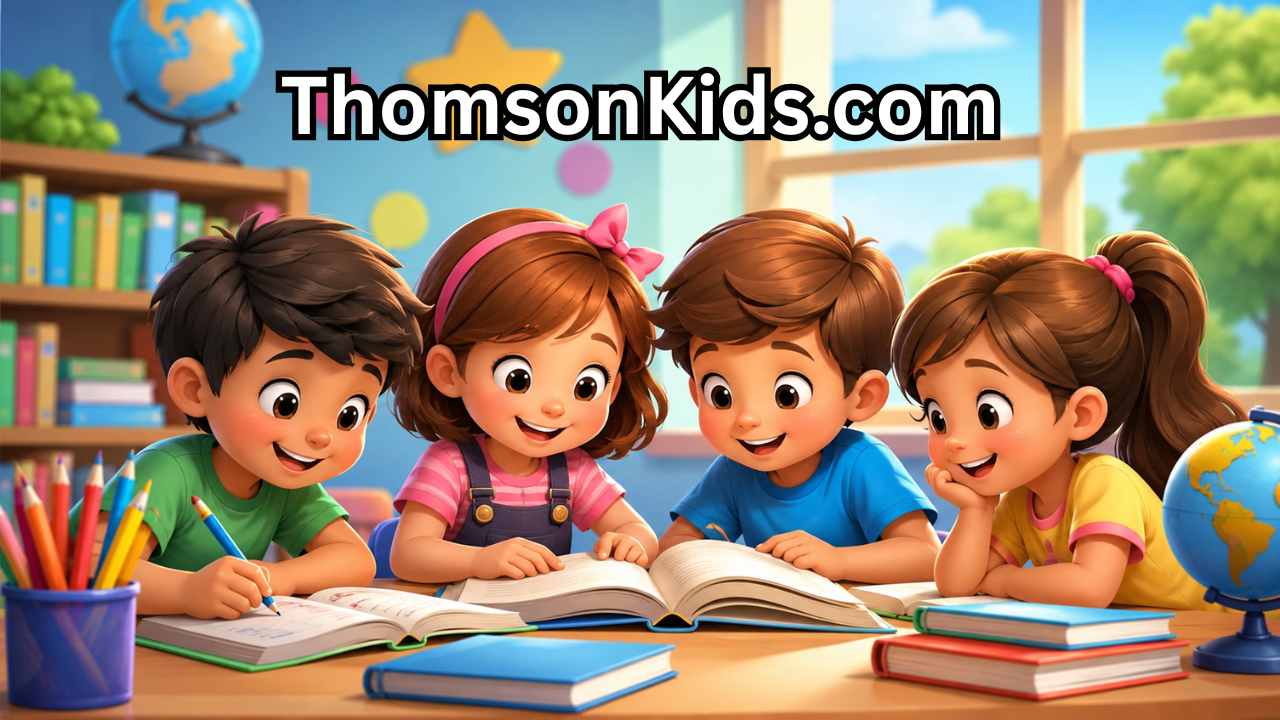
Finding trusted educational resources for children has become more important than ever. Parents, teachers, and caregivers want platforms that combine learning with entertainment while maintaining a safe digital environment. ThomsonKids.com has become a keyword that many people search for when looking for children’s educational content, learning activities, parenting insights, and kid-friendly resources.
This comprehensive guide explains what ThomsonKids.com is, why educational platforms matter, what features families should look for, and how parents can help children make the most of online learning opportunities.
What Is ThomsonKids.com?
ThomsonKids.com is a keyword associated with children’s educational interests, family-friendly learning, and resources designed to support young learners. As digital education continues to evolve, websites focused on children aim to provide engaging experiences that encourage curiosity, creativity, and academic growth.
Parents searching for ThomsonKids.com are generally looking for information about educational opportunities, learning materials, child development resources, and interactive activities that make education enjoyable.
Whether children are learning at home, attending school, or participating in extracurricular education, trusted online platforms can play an important role in supporting their development.
Why Educational Websites Matter for Modern Families
Technology has transformed how children learn. Instead of relying solely on textbooks, many families now use digital resources to reinforce classroom lessons and introduce new concepts.
A quality educational website can help children:
- Improve reading skills
- Develop mathematical thinking
- Learn science through interactive activities
- Build vocabulary
- Practice creative writing
- Explore arts and crafts
- Discover history and geography
- Strengthen problem-solving abilities
- Improve digital literacy
- Learn at their own pace
The flexibility of online education allows children to revisit lessons whenever needed, making learning more personalized than traditional methods alone.
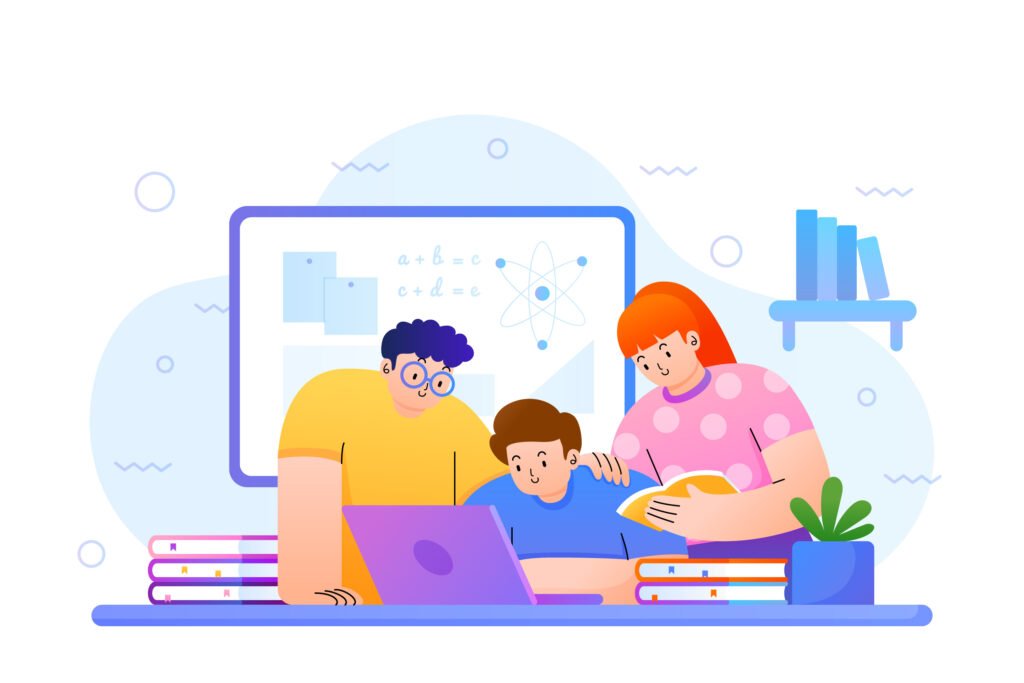
Features Parents Should Look for in Children’s Learning Platforms
Not every educational website offers the same level of quality. Parents should carefully evaluation any platform before allowing children to use it regularly.
Some of the most valuable features include:
- Age-appropriate educational content
- Easy-to-use navigation
- Safe browsing environment
- Interactive quizzes
- Educational games
- Video-based learning
- Printable worksheets
- Progress tracking
- Creative activities
- Reading materials
- Parent guidance resources
- Teacher support materials
These features help create an engaging learning experience while keeping children motivated.
The Importance of Safe Online Learning
Safety remains one of the biggest concerns for parents. Children should always use educational platforms under appropriate supervision, especially at a young age.
Parents can improve online safety by:
- Monitoring screen time
- Using child-friendly browsers
- Reviewing website content
- Avoiding unknown downloads
- Teaching children about online privacy
- Using parental controls
- Encouraging communication about online experiences
A safe learning environment helps children focus on education without unnecessary distractions or risks.
Educational Subjects That Support Child Development
Successful learning platforms usually cover a broad range of educational topics rather than focusing on only one subject.
Common learning categories include:
Reading and Language
Reading builds vocabulary, comprehension, imagination, and communication skills. Interactive stories and reading exercises help children become confident readers from an early age.
Mathematics
Math activities teach logical thinking, number recognition, addition, subtraction, multiplication, division, fractions, and real-world problem solving through engaging exercises.
Science
Science lessons introduce children to nature, animals, space, weather, plants, chemistry, and physics using age-appropriate explanations and experiments.
Social Studies
Children gain a better understanding of geography, cultures, history, traditions, and global awareness through engaging educational content.
Arts and Creativity
Drawing, coloring, music, storytelling, and crafts encourage creative thinking while improving fine motor skills and self-expression.
Benefits of Interactive Learning
Children often learn faster when they actively participate instead of simply reading information.
Interactive learning offers several advantages:
- Better memory retention
- Increased motivation
- Higher engagement
- Improved concentration
- Faster understanding
- Practical application of knowledge
- Immediate feedback
- Personalized learning experiences
Interactive quizzes, puzzles, games, and creative challenges make learning enjoyable rather than feeling like a chore.
How Parents Can Support Learning at Home
Even the best educational platforms work most effectively when parents remain involved.
Simple ways to encourage learning include:
- Reading together daily
- Asking questions about lessons
- Celebrating achievements
- Creating a homework routine
- Limiting unnecessary screen distractions
- Encouraging curiosity
- Providing educational books
- Exploring educational videos together
- Practicing real-life math during shopping
- Visiting libraries and museums
Children are more likely to develop lifelong learning habits when parents actively participate in their educational journey.
Developing Digital Skills Responsibly
Digital literacy has become an essential life skill. Children need to understand how to use technology responsibly while avoiding common online risks.
Important digital skills include:
- Safe internet browsing
- Respectful online communication
- Identifying trustworthy information
- Understanding privacy settings
- Creating strong passwords
- Responsible screen time management
- Critical thinking when consuming online content
Teaching these skills early prepares children for future educational and professional success.
The Role of Educational Games
Educational games have become one of the most effective ways to keep children interested in learning.
Well-designed learning games can improve:
- Memory
- Focus
- Logic
- Creativity
- Vocabulary
- Math fluency
- Decision-making
- Hand-eye coordination
Gamification transforms traditional lessons into rewarding experiences that encourage continued participation.
Encouraging Independent Learning
As children grow older, they should gradually become independent learners.
Parents can support independence by encouraging children to:
- Complete assignments independently
- Research new topics
- Ask thoughtful questions
- Set learning goals
- Review mistakes
- Track progress
- Explore personal interests
Independent learners often develop stronger confidence and better problem-solving abilities.
Building Good Study Habits
Academic success depends not only on educational resources but also on consistent study habits.
Helpful habits include:
- Studying at the same time each day
- Keeping a clean workspace
- Taking short breaks
- Setting realistic goals
- Reviewing lessons regularly
- Avoiding multitasking
- Staying organized
- Getting enough sleep
Small daily improvements often lead to significant long-term academic success.
Choosing the Right Educational Content
Children learn differently depending on their age, interests, and abilities.
Parents should select educational materials that:
- Match the child’s age
- Encourage curiosity
- Present accurate information
- Include interactive activities
- Balance entertainment with education
- Avoid overwhelming complexity
- Support the school curriculum
- Inspire creativity
High-quality educational content keeps children motivated while helping them master important concepts.
Balancing Screen Time and Offline Activities
Although educational technology offers many advantages, balance remains essential.
Healthy daily routines should also include:
- Outdoor play
- Reading physical books
- Family conversations
- Sports
- Creative arts
- Music practice
- Building projects
- Nature exploration
A balanced lifestyle supports both physical health and intellectual development.
Why Families Search for ThomsonKids.com
Many users searching for ThomsonKids.com are interested in reliable educational resources that combine learning, creativity, and child-friendly experiences.
Popular reasons include:
- Finding educational activities
- Supporting home learning
- Discovering learning games
- Improving academic performance
- Encouraging reading habits
- Building foundational skills
- Accessing parenting guidance
- Exploring interactive educational materials
As online education continues to expand, families increasingly seek trusted resources that provide meaningful learning experiences.
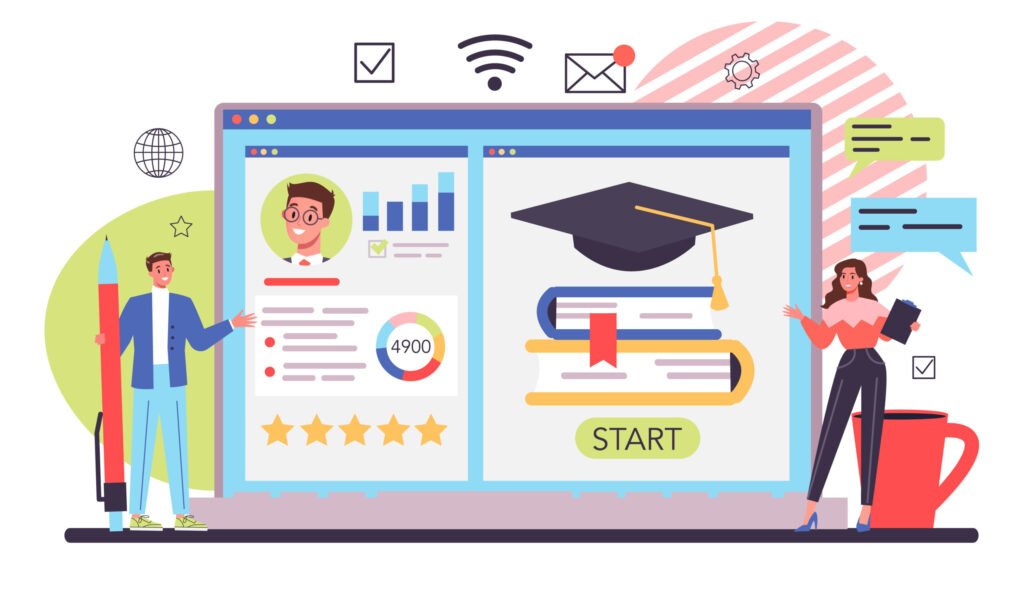
Tips for Getting the Most Value from Educational Websites
To maximize the benefits of digital learning, parents can:
- Set learning goals each week.
- Encourage consistent practice instead of long study sessions.
- Mix educational activities with creative projects.
- Reward effort rather than perfection.
- Review completed lessons together.
- Discuss interesting topics after each learning session.
- Track progress over time.
- Adapt learning plans as children grow.
These strategies help maintain enthusiasm while encouraging continuous improvement.
The Future of Children’s Online Education
Educational technology continues to evolve rapidly. Artificial intelligence, adaptive learning systems, virtual classrooms, interactive storytelling, and personalized learning paths are shaping the future of children’s education.
Future educational platforms are expected to become even more engaging by offering customized learning experiences based on each child’s strengths, interests, and pace of learning.
Families who embrace quality educational resources while maintaining healthy learning habits can prepare children for lifelong success in an increasingly digital world.
Final Thoughts
ThomsonKids.com represents growing interest in educational resources that help children learn in engaging, creative, and safe ways. As digital learning becomes an important part of modern education, parents should focus on selecting reliable platforms that encourage curiosity, strengthen academic skills, and promote responsible technology use.
Also Read: Gold Rate Today: Live Prices, Market Trends, Buying Guide, and Smart Investment Tips










Leave a Reply